
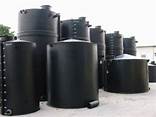
Poly tanks, short for polyethylene tanks, are versatile and popular storage solutions used across a wide range of industries and applications. These tanks are constructed from polyethylene, a thermoplastic polymer known for its durability, resistance to corrosion, and ability to withstand harsh environmental conditions. Poly tanks come in various shapes, sizes, and configurations to meet specific storage requirements, making them a preferred choice for storing liquids, chemicals, and other substances.
Advantages of Poly Tanks:
- Durability: Polyethylene is highly durable and resistant to cracking, impact, and UV radiation. This makes poly tanks suitable for both indoor and outdoor use.
- Corrosion Resistance: Unlike metal tanks, poly tanks do not corrode when exposed to moisture, chemicals, or acidic substances, ensuring the integrity of the stored contents.
- Lightweight: Poly tanks are relatively lightweight compared to tanks made from materials like steel or concrete, which makes transportation, installation, and relocation easier and more cost-effective.
- Ease of Maintenance: These tanks are easy to clean due to their smooth interior surfaces, which also reduces the buildup of residue and impurities.
- Chemical Compatibility: Polyethylene tanks can be manufactured to resist specific chemicals, acids, or bases, allowing them to safely store a wide range of substances without degradation.
- Customization: Poly tanks can be designed and manufactured in various shapes and sizes to accommodate specific storage needs. They can also include additional features like baffles, fittings, and access ports.
- Insulation Properties: Polyethylene has some insulation properties, which can be beneficial for tanks storing substances that require temperature control.
- Cost-Effectiveness: Poly tanks are generally more affordable than tanks made from other materials, making them a cost-effective choice for many applications.
Applications of Poly Tanks:
- Water Storage: Poly tanks are commonly used for storing potable water, rainwater harvesting, irrigation, and firefighting water reserves due to their resistance to corrosion and contaminants.
- Chemical Storage: They are used in industries such as agriculture, manufacturing, and chemical processing to store a wide range of chemicals, including fertilizers, pesticides, acids, and corrosive substances.
- Industrial Processes: Poly tanks find applications in various industrial processes, such as storing raw materials, intermediate products, and waste materials.
- Aquaculture: Poly tanks are used in aquaculture for raising fish, shrimp, and other aquatic organisms. These tanks can be customized to provide optimal water conditions.
- Food and Beverage: In the food and beverage industry, poly tanks are employed to store liquids like edible oils, fruit juices, and dairy products.
- Septic Systems: Polyethylene tanks are used as components in septic systems for storing and treating wastewater in areas without access to municipal sewage systems.
- Transportation: They are utilized in transportation for storing fuel, chemicals, and other liquids in trucks, trailers, and other vehicles.
- Medical and Pharmaceutical: Poly tanks can be used for storing medical-grade liquids, chemicals, and pharmaceutical ingredients.
In conclusion, poly tanks offer a range of benefits that make them suitable for various storage needs across industries. Their durability, chemical resistance, customization options, and affordability contribute to their popularity as reliable storage solutions