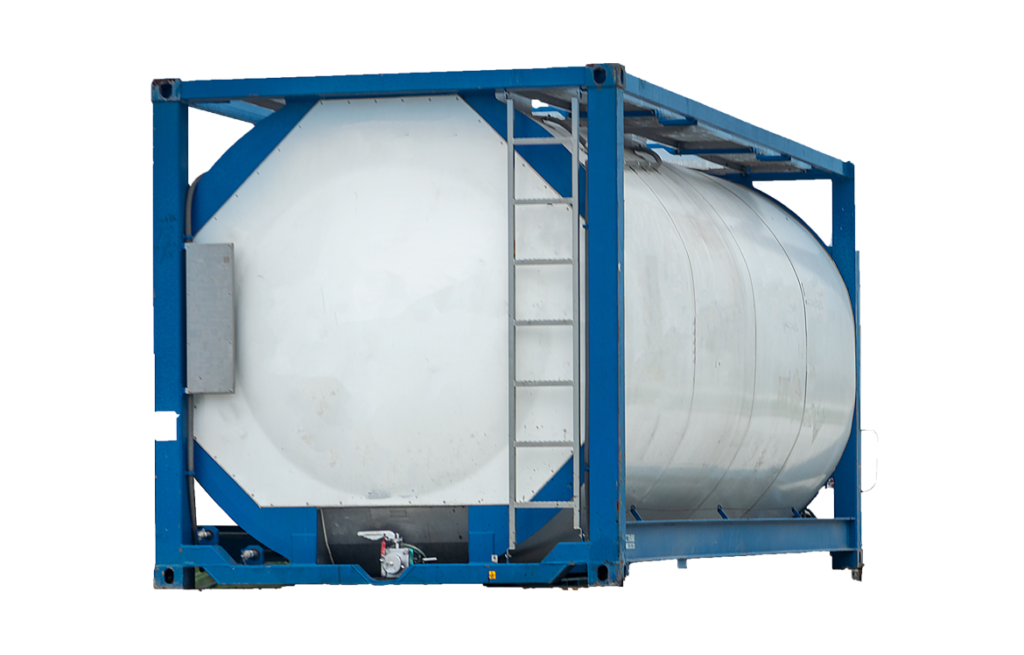
ISO tanks are cost-effective as they can place and effectively transport less than shipload or truckload materials with much less shipping and handling cost. They can generally be stacked in 90mins whereas drums require a few hours. Moreover, the freight can be easily carried by truck to the railroad, from the train to transport deck and ISO tanks can also be shipped via air.Like other container types, ISO tanks can also be stacked. Railcars permit two ISO tanks to be shipped on the well with two more tanks loaded on top. This technique allows thousands of gallons of liquid to be shipped in much less time. The ISO tank can accommodate around 4 thousand gallons much more than the previous standard-sized methods involving an IBC tank that could only place at around 3 thousand gallons each or 55-gallon drums.
Advantages of ISO Tanks:
- Versatility: ISO tanks are capable of transporting a wide range of liquids and gases, from food-grade products like juices and edible oils to hazardous chemicals and industrial gases. The flexibility of ISO tanks ensures that they are a suitable option for various industries.
- Efficiency: The intermodal nature of ISO tanks eliminates the need for intermediate storage and transshipment of cargo. This streamlines the transportation process, reducing costs and minimizing the risk of contamination or spillage.
- Safety: ISO tanks are equipped with safety features that prevent leakage, overpressure, and temperature fluctuations. This ensures the protection of both the cargo and the environment, minimizing the chances of accidents during transit.
- Environmental Impact: The sealed design of ISO tanks helps reduce the risk of spillage or leakage, making them an environmentally-friendly choice compared to traditional methods of bulk liquid transportation.
- Cost-Effectiveness: While the initial investment in ISO tanks might be higher than traditional containers or tankers, their efficiency in terms of reduced handling and higher payload capacity leads to cost savings in the long run.
ISO International Standards Organisation Tank Features
- 40’ x 8’ x 8’6” or 20’ x 8’ x 8’6” base dimension
- usually made of 316 grade stainless steel, fixed to a mild steel frame, usually welded
- capacity of tanks varies greatly, typically from 21,000 Litres up to 27,000 Litres in a standard sized frame. (Smaller capacities will likely be in a smaller frame – 8′ high rather than 8’6″)
- (man lid) that is 500mm or larger in diameter
- UN type T11 tanks must have at least three independent closures that can stop the flow of any contents. 2 open/close valves and a screw on cap qualifies as the third closure.
- Air Valve designed to be pressurised and Pressure relief Valve/Vacuum Relief Valve.
TYPES OF ISO Tank
ISO tanks come in various types, each designed to cater to specific cargo requirements and industry standards. Here are some common types of ISO tanks:
- Food-Grade ISO Tanks: These tanks are constructed with materials that meet stringent hygiene and safety standards, making them suitable for transporting food products such as edible oils, fruit juices, milk, and other liquid consumables. They feature specialized linings and seals to prevent contamination.
- Chemical ISO Tanks: Designed to transport hazardous and non-hazardous chemicals, these tanks are equipped with materials and features that can withstand the corrosive and reactive nature of the chemicals being transported. They often have reinforced linings and pressure relief systems to ensure safety during transit.
- Gas ISO Tanks: These tanks are built to carry various types of gases, including liquefied petroleum gas (LPG), liquefied natural gas (LNG), and other industrial gases. Gas ISO tanks are well-insulated and equipped with pressure and temperature control systems to maintain the gas in its intended state.
- Cryogenic ISO Tanks: These specialized tanks are designed to transport cryogenic liquids such as liquid nitrogen, liquid oxygen, and liquid argon at extremely low temperatures. They are built with double-walled construction and advanced insulation to prevent the liquefied gases from vaporizing.
- Bitumen ISO Tanks: Bitumen or asphalt ISO tanks are used to transport bituminous products used in road construction. They feature specialized heating systems to keep the bitumen in a liquid state during transit and are constructed with materials that can withstand high temperatures.
- Swap Body ISO Tanks: These tanks are designed to fit onto truck chassis or rail cars. They are similar to standard ISO tanks but are larger and adapted for specific modes of transportation, providing flexibility in moving bulk liquids and gases across different regions.
- Non-Hazardous Bulk Liquids ISO Tanks: These tanks are suitable for transporting non-hazardous liquids, such as water, agricultural products, and other non-reactive substances. They offer a cost-effective solution for bulk liquid transportation.
- Waste ISO Tanks: Used for the transportation of hazardous and non-hazardous waste, these tanks are designed to meet strict environmental and safety regulations. They may feature containment systems and other measures to prevent leaks and spills.
- Offshore ISO Tanks: These tanks are built to withstand the harsh conditions of offshore environments, such as oil rigs and marine vessels. They are used to transport various liquids, chemicals, and fluids required for offshore operations.
- Powder and Granular Material ISO Tanks: These tanks are designed for transporting bulk powders and granular materials such as cement, flour, and plastic pellets. They are equipped with discharge systems that allow for efficient unloading.
These are just a few examples of the diverse types of ISO tanks available, each catering to specific industries and cargo needs. The standardized design and adherence to safety regulations make ISO tanks a versatile and efficient solution for transporting various types of liquids, gases, and bulk materials across the globe.
CAPACITY OF ISO TANKS
20,000L , 21,000L , 24,000L,